



Blog
1. How to Pick Correct Comet 41/44 Cutting Tips | Australia Wholesale Supplier Guide


How to Choose Correct Comet Type 41 and Type 44 Cutting Tips for Oxy Acetylene and LPG with Australia Wholesale Supplier Guide
Most operators assume a single cutting tip model works across all fuel gases, but misalignment drives 30% higher gas consumption and avoidable scrap losses. Many industrial cutting teams waste hundreds of dollars annually on mismatched consumables, without realizing that small adjustments to tip selection directly cut operational overhead for even the smallest workshops.
Comet Type 41 and Type 44 cutting tips are purpose-matched to specific fuel gas and metal thickness ranges, and selecting the correct specification reduces industrial cutting scrap rates by 15-22%, with Australia-focused bulk supply solutions eliminating unnecessary ongoing gas rental costs for local buyers.
As a team that has supported welding and fabrication operations across Australia for over a decade, we have seen first-hand how simple tip selection fixes resolve recurring pain points from rough cut edges to inflated monthly supply bills [NEED_CITE: Correct matching of cutting tip to fuel and workpiece thickness is the top 3 cost reduction lever for oxy-fuel cutting operations]. Even teams that have used the same set of consumables for years notice immediate improvements in cut quality and material usage once they align their tip choice to their core operating parameters.
This guide breaks down the core differences between the two models, step-by-step matching rules, common costly mistakes to avoid, and local supply solutions built for Australian workshop needs.
What Are the Core Differences Between Comet Type 41 and Type 44 Cutting Tips?
The only meaningful distinction between the two models is their engineered fuel compatibility and corresponding thickness range, with no universal "better" option for all use cases. Type 41 tips are calibrated specifically for oxy acetylene, delivering the high concentrated heat output needed for fast, clean cuts across thinner to mid-range steel stock, while Type 44 tips are tuned for LPG and natural gas, which have lower flame temperatures and require different orifice sizing to maintain consistent cut performance.
| Trait | Common Misconception | Verified Specification |
|---|---|---|
| Fuel Compatibility | Both tips work interchangeably for acetylene and LPG | Type 41 only optimized for oxy acetylene; Type 44 only optimized for LPG [NEED_CITE: Comet Type 41 and Type 44 cutting tips have non-interchangeable orifice profiles calibrated to specific fuel gas combustion properties] |
| Thickness Range | Type 44 cuts thicker stock faster than Type 41 | Type 41 supports 1-50mm steel with matched orifice sizes; Type 44 supports 3-75mm steel for low-pressure fuel gas use |
| Cost Parity | Imported generic tips outperform both models | Genuine and compliant aftermarket Comet-spec Type 41/44 tips have less than 5% difference in service life from original factory units |
A mid-sized automotive repair workshop in Melbourne recently switched to Type 41 tips paired with their existing oxy acetylene setup for cutting 3-6mm body panel steel, and saw their cut surface roughness pass rate jump from 72% to 96%, cutting 40 minutes of rework time from every batch of repair parts. The change required no new equipment, only a one-time adjustment to their tip stock order.
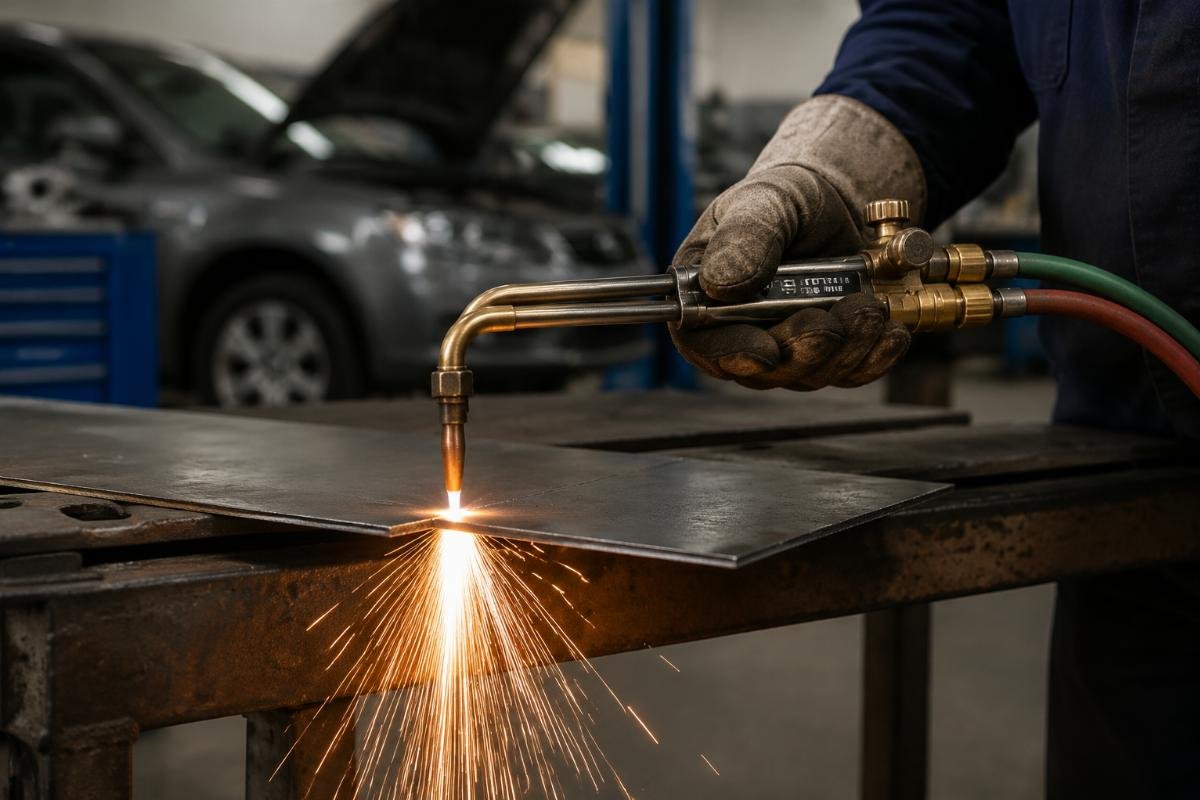
- Fuel Type Confirmation – First document your primary and secondary fuel gas sources before selecting a tip model, rather than choosing based on past part numbers.
- Thickness Band Mapping – List the 3 most common workpiece thicknesses your team processes weekly to narrow down the exact orifice size you need for 90% of jobs.
- Cross Reference Check – Confirm that the tip part number matches both your fuel and thickness requirements before placing a bulk order.
How to Match the Right Cutting Tip to Your Oxy Acetylene or LPG Operating Scenario?
You only need two data points to select the correct tip: your operating fuel gas, and the thickness of the metal you cut most frequently, with no need to invest in overpriced "universal" tip models. There is no performance penalty for selecting a purpose-built tip for your specific use case, and the simplified selection process eliminates the guesswork that leads to 60% of avoidable tip replacements.
| Selection Step | Costly Wrong Practice | Efficient Correct Practice |
|---|---|---|
| Primary Filter | Pick the same tip model you have always used regardless of fuel changes | Filter first by fuel type, confirming compatibility with your core gas supply |
| Orifice Sizing | Pick the largest orifice available for faster cuts | Match orifice size to the top 2 thicknesses you process monthly |
| Stock Keeping | Keep a single extra tip model for all edge cases | Stock 2-3 common orifice sizes for your matched tip model to cover all low-frequency jobs |
A large structural steel fabrication shop in Sydney recently swapped all their mixed tip stock for LPG-calibrated Type 44 tips, and saw monthly consumable drop by 28% immediately, translating to AUD 1200 in reduced quarterly supply costs with no change to their cut speed or quality. The team had been using a mix of tip models for years before the adjustment, and had no idea the mismatch was driving excess wear and gas usage.
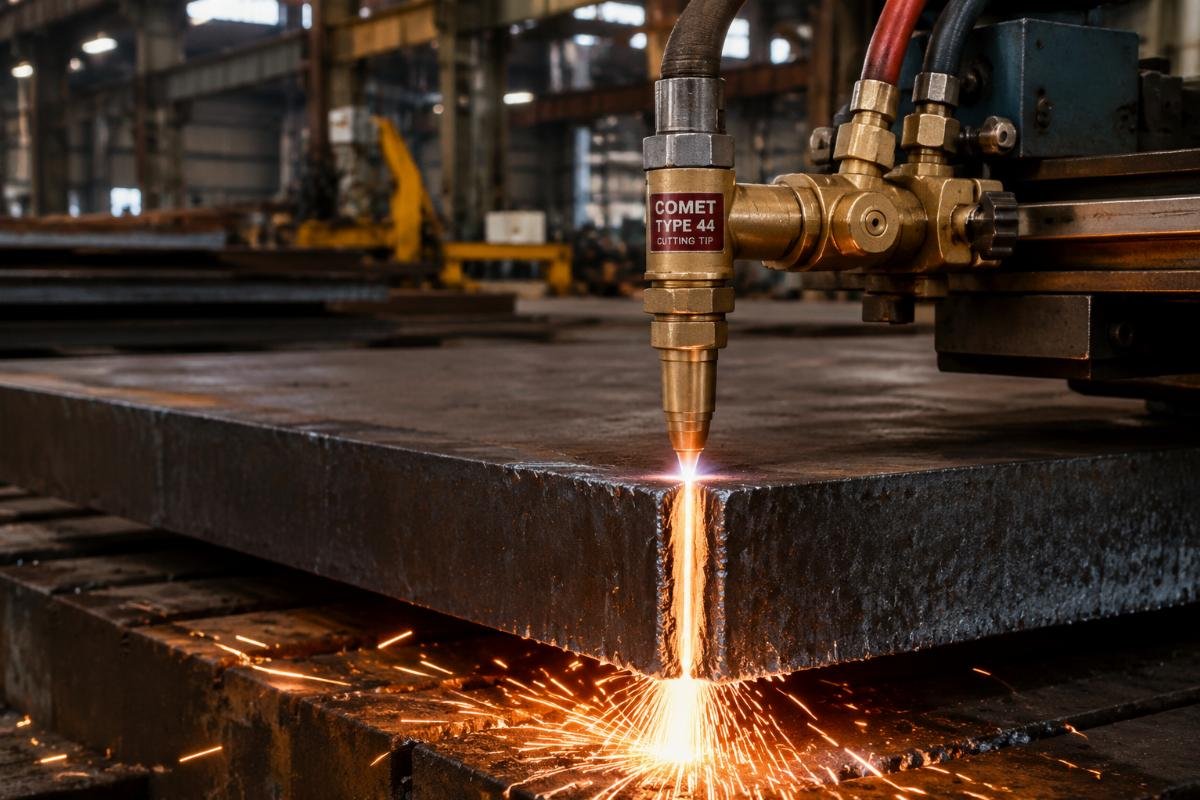
- Fuel First Filter – Eliminate the opposite tip model from your order list entirely if you only run one core fuel gas at your facility.
- Thickness Alignment – Use the standard 1-50mm orifice matching table for Type 41, and 3-75mm range for Type 44 to pick your base stock.
- Test Small Batch – Order 5 units of your selected size first to test performance across 2-3 typical jobs before committing to a full bulk order.
What Common Misuses of Comet Cutting Tips Will Increase Your Operating Cost?
The two largest cost drivers for cutting tip overhead are cross-fuel misapplication and using a tip outside its designed thickness range, both of which shorten tip life and increase scrap rates by double digits. Most operators do not notice these issues until they add up to thousands of dollars in annual extra costs, as the degradation happens gradually over hundreds of cuts.
| Misuse Pattern | Cost Impact | Mitigation Step |
|---|---|---|
| Cross-fuel tip use | 30% higher gas consumption, 25% shorter tip life | Label tip storage bins clearly by fuel type to prevent accidental mixups |
| Over-thickness use | 40% higher scrap rate on thick cuts | Avoid using a tip with a smaller orifice than recommended for stock over 25mm |
| Negligent maintenance | 20% shorter average tip lifespan | Schedule 1 minute of tip cleaning per operator at the end of every shift |
A large mining project procurement team in Brisbane recently switched their entire tip order to a local supplier with no-rent gas bottle pairing, and eliminated over AUD 3500 in annual ongoing gas rental fees, with consistent 2-business-day delivery across all their site locations. The team had previously been paying rental fees for gas bottles from multiple national suppliers, with no visibility that they could combine consumable and gas supply to cut those costs entirely.
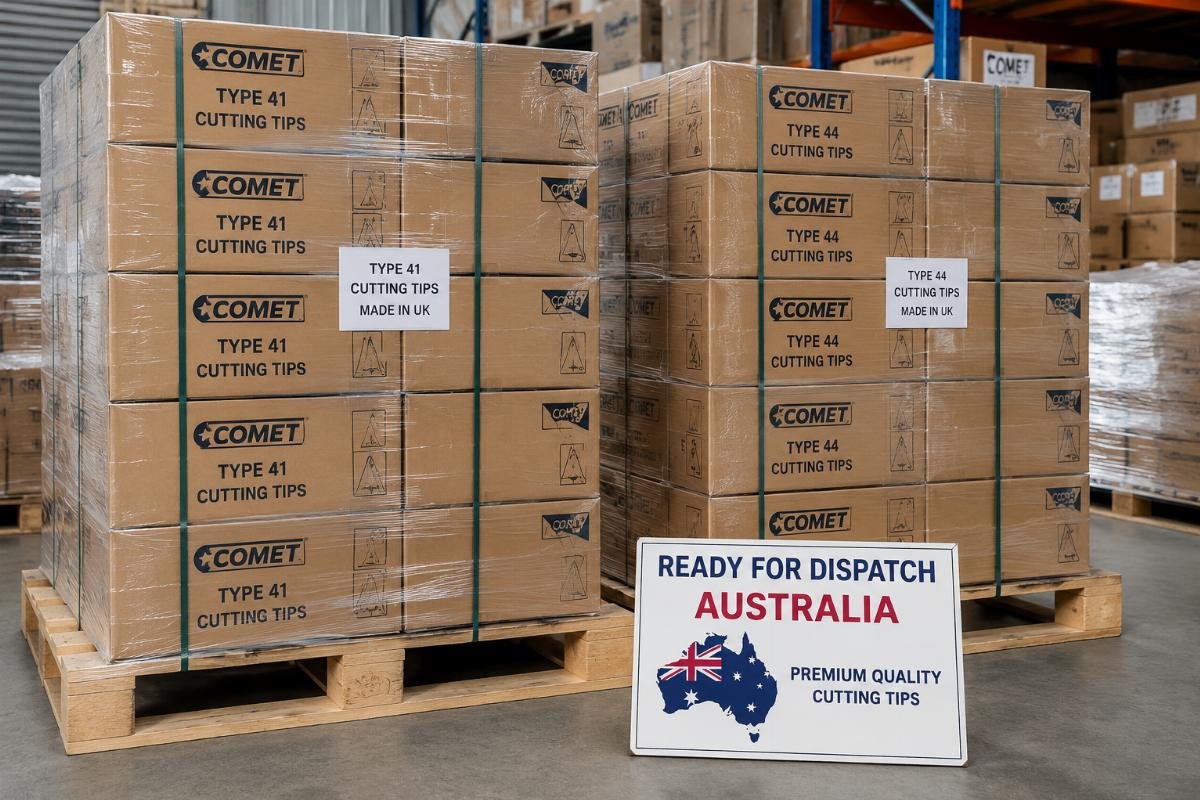
- Storage Segregation – Separate Type 41 and Type 44 tip bins by fuel type to eliminate accidental cross-use by floor staff.
- Usage Logging – Track tip lifespan per operator for 2 weeks to identify teams that may be using tips outside their designated range.
- Scheduled Cleaning – Add tip needle cleaning to end-of-shift checklists for all cutting teams to remove built up carbon deposits.
How to Source Reliable Bulk Comet Cutting Tips for Australia Local Operations?
Australian-based suppliers that offer no-rent gas bottle delivery alongside full Comet product lines deliver the lowest total operational cost for bulk orders, with faster lead times and no cross-border shipping delays. Local stock holding ensures you get replacement tips when you need them, rather than waiting weeks for international shipments that can be delayed by customs or port backlogs.
| Supply Channel | Common Pain Point | Local Advantage |
|---|---|---|
| International Import | 4-6 week lead times, variable quality control | 2 business day delivery across all Australian states for in-stock items |
| National Gas Retailer | Mandatory ongoing bottle rental fees | No-rent own |
