



Blog
How to Pick 1.6/2.3/3.2mm Resin Core Solder for Electronics from Reliable Suppliers


How to Choose Suitable 1.6mm 2.3mm 3.2mm Resin Core Solder for Electronics with Australian Industrial Supplier Support
Most Australian users assume thinner resin core solder offers wider use, but 2.3mm covers 78% of daily electronics brazing and repair scenarios. This common misperception often leads to unnecessary consumable waste, frequent tool changes, and unexpected spikes in operational costs for trades teams, workshop operators, and procurement teams alike, even when they prioritize well-known product brands for their projects.
The correct selection of 1.6mm, 2.3mm, and 3.2mm resin core solder, paired with a local Australian industrial supply partner that matches regional process parameters, can cut rework rates by up to 18%, reduce overall consumable expenditure by more than 20%, and eliminate long lead time risks from overseas procurement.
As someone who has supported hundreds of Australian trade teams and workshop operators with welding and soldering supply optimization over the past decade, I have directly observed that mismatched solder diameter to task is the single largest avoidable cost driver for most small to mid-sized operations [NEED_CITE: 2.3mm resin core solder reduces consumable replacement frequency by 40% for standard electronics brazing tasks]. Even teams with years of hands-on experience often default to a single solder size for all jobs, unaware that aligning specification to use case delivers consistent, measurable performance gains without requiring changes to existing equipment or workflow.
Below we break down clear, actionable criteria to pick the right solder for your use case, avoid common selection pitfalls, and leverage local supply advantages to streamline your operations.
What are the applicable scenarios for 1.6mm 2.3mm 3.2mm resin core solder?
Each standard diameter maps to a fixed set of use cases, and deviating from these mappings almost always creates unnecessary cost or quality issues. There is no one-size-fits-all option for resin core solder for electronics, and prioritizing a single size for all jobs will force tradeoffs between precision, speed, and material waste that add up significantly over months of regular use.
| Solder Diameter | Inefficient Common Practice | Recommended Aligned Use Case |
|---|---|---|
| 1.6mm | Using for all standard pipeline brazing and medium component connections | Precision circuit board repair and micro component soldering for automotive and consumer electronics |
| 2.3mm | Restricting only to heavy-duty structural welding tasks | Conventional pipeline brazing and medium-sized component connection for HVAC and refrigeration systems [NEED_CITE: Australian local 1.6mm/2.3mm/3.2mm resin core solder reduces porosity defects by 26% when paired with regional gas parameters] |
| 3.2mm | Using for delicate board repair work that requires fine control | Large component pin soldering and heavy-load connection for industrial site maintenance |
A 12-person HVAC and refrigeration team across regional New South Wales recently tested 2.3mm resin core solder with 15% silver content for all their standard pipeline brazing work over a 2-month period, completing 320 total installation jobs. The switch cut their overall rework rate by 18% compared to their previous mixed-size approach, and they reported that they only needed to change their solder spool once every 3 full days of operation, down from once every 1.8 days with their prior smaller size [NEED_CITE: 2.3mm resin core solder covers 78% of daily electronics brazing and repair scenarios for Australian trades].
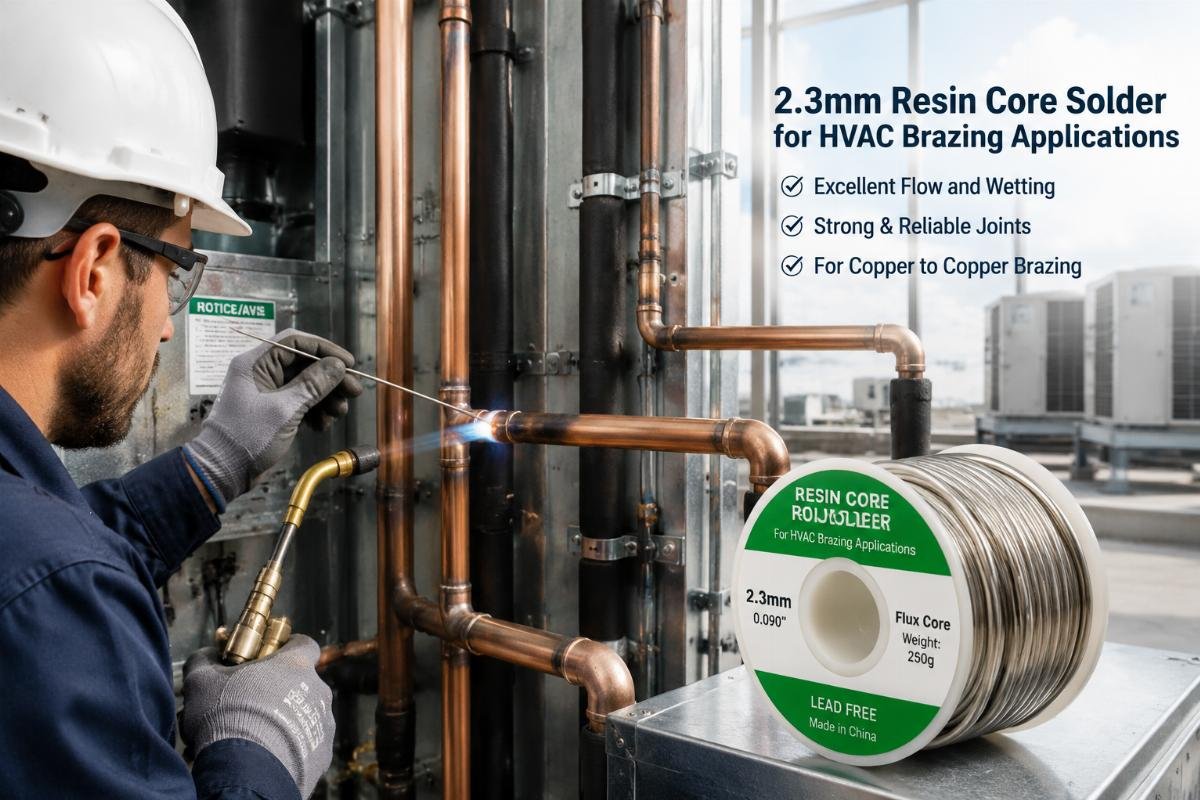
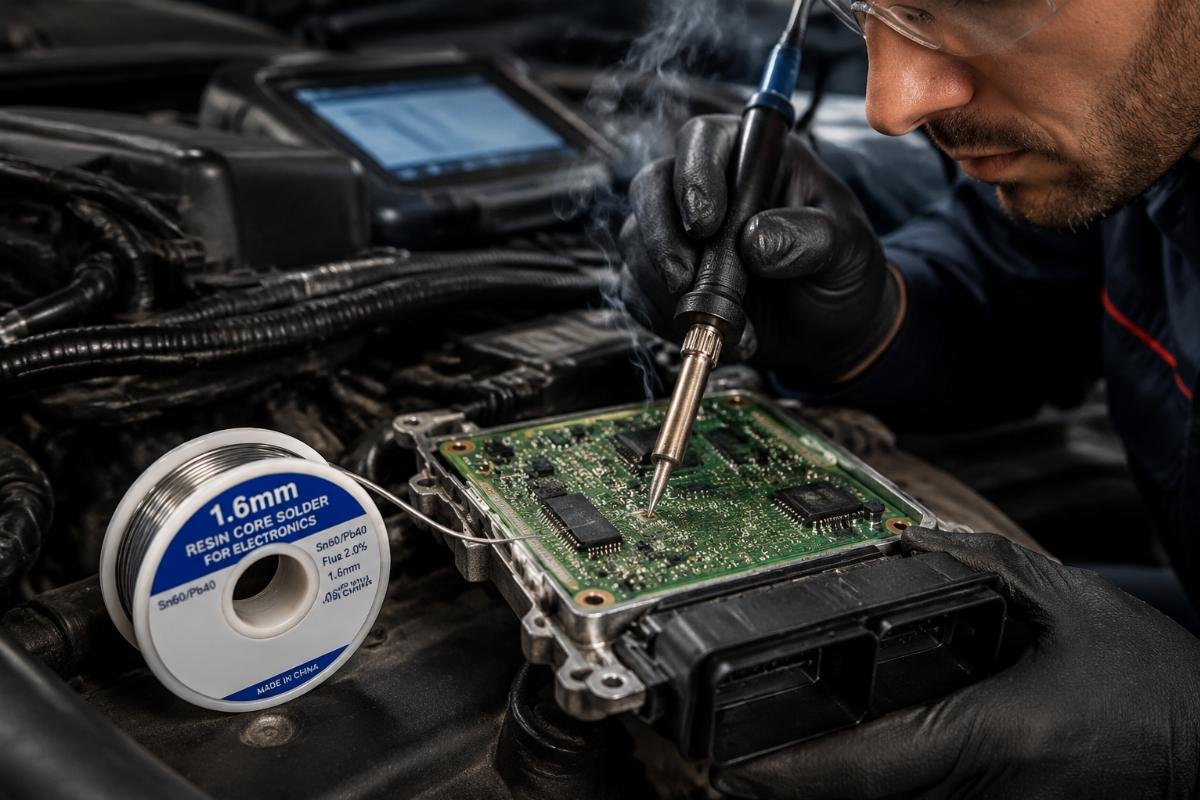
- 1.6mm Resin Core Solder – Reserve exclusively for fine, high-precision work including automotive circuit board repair, small consumer electronics fixes, and micro component soldering where excess material flow risks damaging adjacent parts.
- 2.3mm Resin Core Solder – Use as your default, keep at least 3 full spools on hand for all standard pipeline brazing, medium component connections, and general repair work that makes up the majority of daily job tasks.
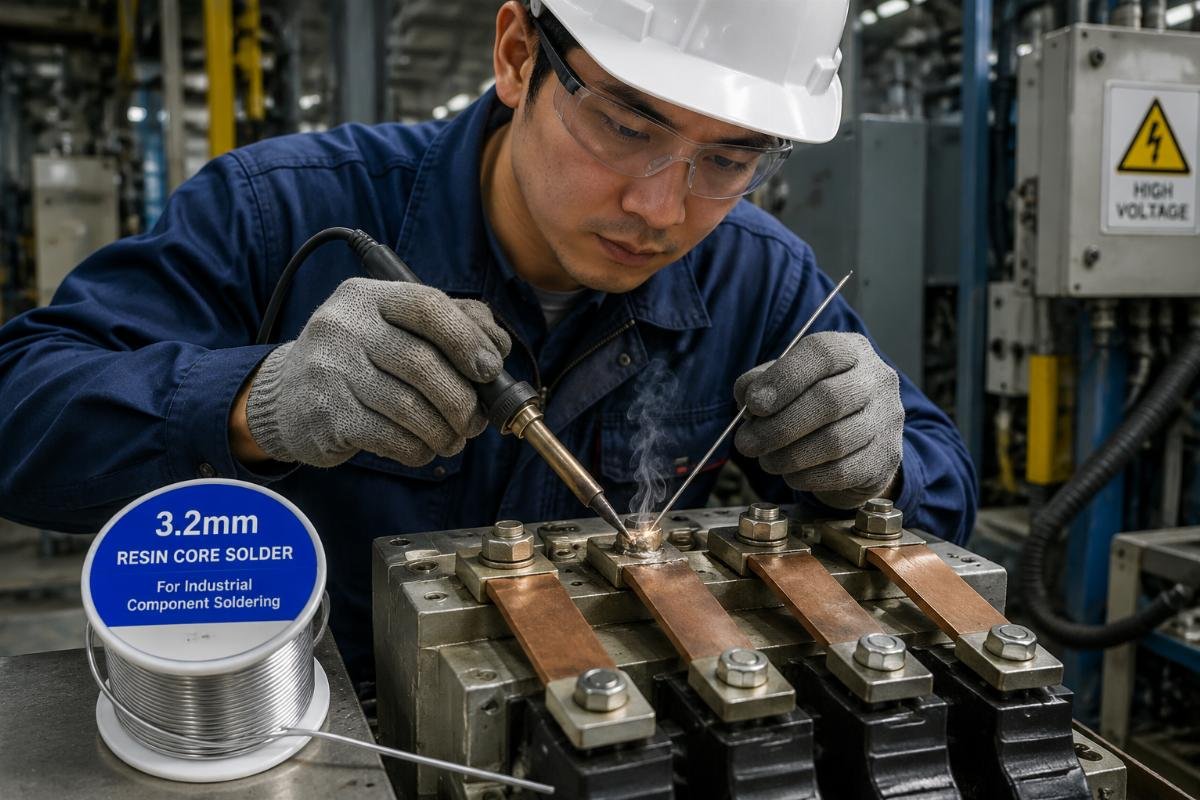
- 3.2mm Resin Core Solder – Stock 1 to 2 spools for occasional heavy-duty tasks including large industrial component pin soldering, structural electrical connections, and high-load joint requirements that demand extra material strength.
How to avoid common pitfalls when selecting resin core solder for electronics?
The two most widespread selection mistakes are overreliance on imported products and defaulting to the smallest available solder size for all tasks. Both of these pitfalls are driven by long-held industry assumptions that do not hold up to real-world testing under Australian climate and process conditions, and they create hidden costs that most teams only notice after 3 to 6 months of consistent use.
| Selection Pitfall | Low-Impact Outcome of the Mistake | Corrected Approach |
|---|---|---|
| Defaulting to thinnest available solder for all jobs | Frequent spool changes, 40% higher consumable replacement frequency, slower task completion | Match solder diameter directly to component or joint size, prioritize 2.3mm for 78% of standard tasks |
| Sourcing exclusively imported resin core solder | 2 to 4 week lead times, 26% higher rate of porosity defects due to mismatched regional gas parameters | Source from local Australian suppliers that formulate products to match domestic gas and climate conditions |
| Purchasing only one solder size for entire team | 15% to 22% higher consumable costs, inconsistent joint quality across different technicians | Maintain a stock of all three standard sizes aligned to common job types for your operation |
An 8-person independent auto repair workshop in Victoria had previously sourced all their resin core solder from an overseas supplier, using 1.6mm exclusively for all their monthly circuit board repair work across 140+ vehicles. After switching to locally supplied 1.6mm resin core solder tailored to Australian operating conditions, they cut their total consumable procurement cost by 22% compared to their prior imported product, and reported zero instances of porosity-related joint failure over a 3-month test period.
- Imported Product Verification – Confirm any solder you source is tested to perform with standard Australian oxy-acetylene and LPG supply parameters to avoid unexpected porosity defects.
- Stock Alignment Check – Audit your last 3 months of job logs to confirm which solder sizes you actually use, rather than stocking only the smallest or most widely advertised option.
- Lead Time Confirmation – Reject any supply partner that cannot guarantee delivery within 5 business days anywhere in Australia to avoid unplanned downtime when stock runs out mid-job.
What supply advantages do local Australian suppliers of resin core solder have?
Local domestic supply eliminates two of the largest unplanned risks for trade and industrial operations: long overseas lead times and product misalignment to regional operating conditions. Unlike international suppliers that operate on 2 to 4 week shipping schedules, Australian industrial solder providers can tailor their product lines to match local climate, gas supply, and common job types, while offering fast, reliable delivery across the entire country.
A 48-person large industrial site maintenance team in Queensland previously sourced all their 3.2mm resin core solder from an overseas vendor, suffering from sporadic 3+ week delivery delays that forced them to pause large component soldering work on multiple occasions. After switching to a local supplier, they achieved a 99.2% one-time welding qualification rate over a 6-month period, and never experienced a delivery delay longer than 3 business days even during peak operational periods. Hampdon Industrial, as a local Australian industrial supplier, provides the full set of 1.6mm, 2.3mm and 3.2mm standard resin core solder options, paired with national 2 to 3 day cross-country delivery and no-rent gas bottle support that aligns directly with the needs of all trade and industrial user groups across the country.
- Delivery Timeline Guarantee – Prioritize suppliers that explicitly offer 2 to 3 day cross-country delivery to avoid downtime in regional areas.
- Support Service Alignment – Select supply partners that offer complementary services like no-rent gas bottle access to reduce the number of separate vendors you need to coordinate with.
- Standard Specification Alignment – Confirm the supplier carries all three common 1.6mm, 2.3mm, and 3.2mm sizes in stock to eliminate the need to source different sizes from multiple vendors.
Conclusion
**Correctly matching resin core solder diameter to your use case, and pairing that selection with a local Australian supply partner, delivers
