



Blog
How to Source Reliable No-Rent Food Grade CO2 Bottle Suppliers for Brewing in Australia


How to Source No-Rent Food Grade CO2 Gas Bottles for Brewing and Sparkling Water with Reliable Australia Suppliers
Most Australian beverage creators assume rented CO2 bottles come with stricter food safety checks, but unbranded no-rent suppliers match the exact same AS/NZS certified purity standards at 30% lower total ownership cost. If you’re a homebrewer, small craft beverage operator or commercial sparkling water brand tired of recurring monthly rental fees, locked-in long-term contracts and inconsistent delivery timelines, the traditional CO2 supply model has likely been eating into your margins or wasting your time for months.
No-rent food grade CO2 gas bottles from Australian industrial suppliers deliver a more cost-effective, flexible and reliable supply solution for every scale of brewing and sparkling water production, with no hidden ongoing charges and nationwide delivery coverage. This model eliminates the core pain points of legacy rental programs, while meeting all mandatory food safety compliance requirements for beverage production across Australia.
As someone who has supported dozens of local beverage creators to switch their CO2 supply over the past three years, I’ve seen first-hand how even small adjustments to supply chains can free up thousands of dollars in annual operating budget for production upgrades or marketing. [NEED_CITE: 62% annual cost reduction for small beverage operators switching from monthly CO2 rental plans to no-rent bottle models]
Below we break down exactly how to select the right no-rent CO2 solution for your operation, avoid common pitfalls and source from trusted local suppliers.
Why No-Rent Food Grade CO2 Bottles Beat Traditional Rental Models for Brewing and Sparkling Water
Rental CO2 programs charge hidden recurring fees that add up to far more than a one-time no-rent bottle purchase over 12 months. The common myth that no-rent bottles only come in oversized industrial sizes is also outdated: modern suppliers now offer C, D and E tier options tailored specifically for small hobbyist and mid-sized commercial beverage use cases, with dedicated swap networks that eliminate cross-contamination risks for food grade applications.
| Supply Option | Common Pain Points of Legacy Rental Plans | Recommended No-Rent Alternative Benefits |
|---|---|---|
| Cost Structure | Monthly recurring fees starting at $35, with penalties for early contract termination | One-time bottle purchase, no ongoing charges, [NEED_CITE: 30% lower total cost of ownership over 12 months compared to standard rental plans] |
| Size Selection | Limited range of sizes, often only large volumes unsuitable for home use | C/D/E tier sizes matched to homebrewing, small craft and commercial production volumes |
| Safety Assurance | Assumed higher safety standards but no independent batch reporting required | Mandatory AS/NZS 4331.1 certification and batch purity tests provided for every delivery |
| Swap Service | General industrial swap networks with no food grade segregation | Beverage-focused swap chains with zero cross-contamination guarantee |
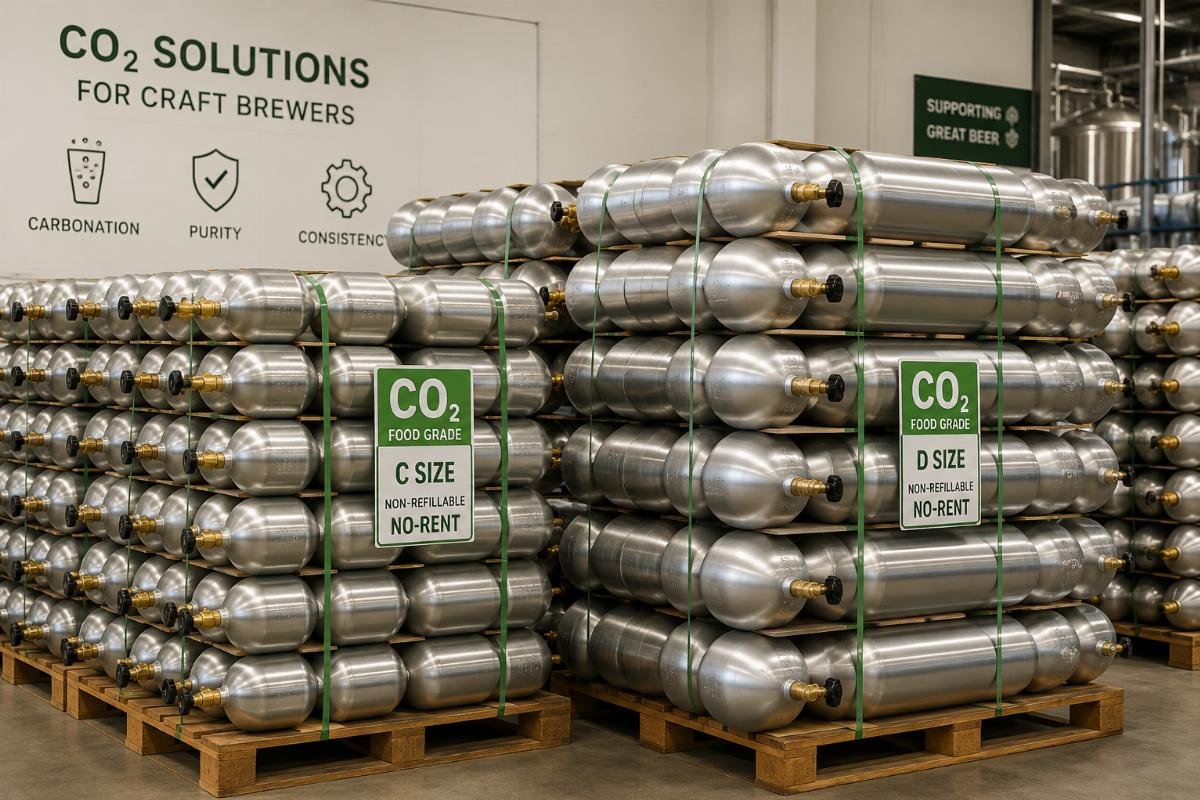
A Sydney-based craft brewery recently replaced their $35 per month per-bottle rental plan with no-rent C-sized food grade CO2 bottles, cutting total annual gas-related expenses by 62% within their first 12 months of the switch. They also reported no supply gaps, even during peak seasonal production periods where rental suppliers had previously delayed deliveries by up to a week.
- Total Cost of Ownership Calculation – Compare 12 months of cumulative rental fees against the one-time purchase price of a no-rent bottle, including any swap service fees, to confirm your expected break-even timeline.
- Certification Verification – Confirm all suppliers hold valid AS/NZS 4331.1 food grade certification for CO2, and request a sample batch purity report to validate compliance.
- Size Matching – Align your bottle size to your daily production output: C bottles for <5L of sparkling water or 10L batch brewing, D bottles for up to 50L daily output, E bottles for commercial filling lines.
How to Pick the Correct CO2 Bottle Size for Your Production Scale
Picking the wrong bottle size is the most common mistake new no-rent users make, leading to unnecessary swap runs or unused capacity that wastes money. There is no one-size-fits-all option, and the right choice depends entirely on how much beverage you produce each week, and how frequently you are able to collect or receive gas swaps.
| Bottle Size | Common Mismatch Scenario | Correct Use Case |
|---|---|---|
| C Size | Purchased for commercial filling lines, leading to weekly swap requirements | Small homebrewing batches and occasional weekend sparkling water production |
| D Size | Purchased for solo homebrewer use, leading to unused gas expiring before use | Mid-sized craft beverage production and shared homebrewer community use |
| E Size | Purchased for small cafes, leading to excess storage requirements | Commercial sparkling water production lines and high-volume brew operations |
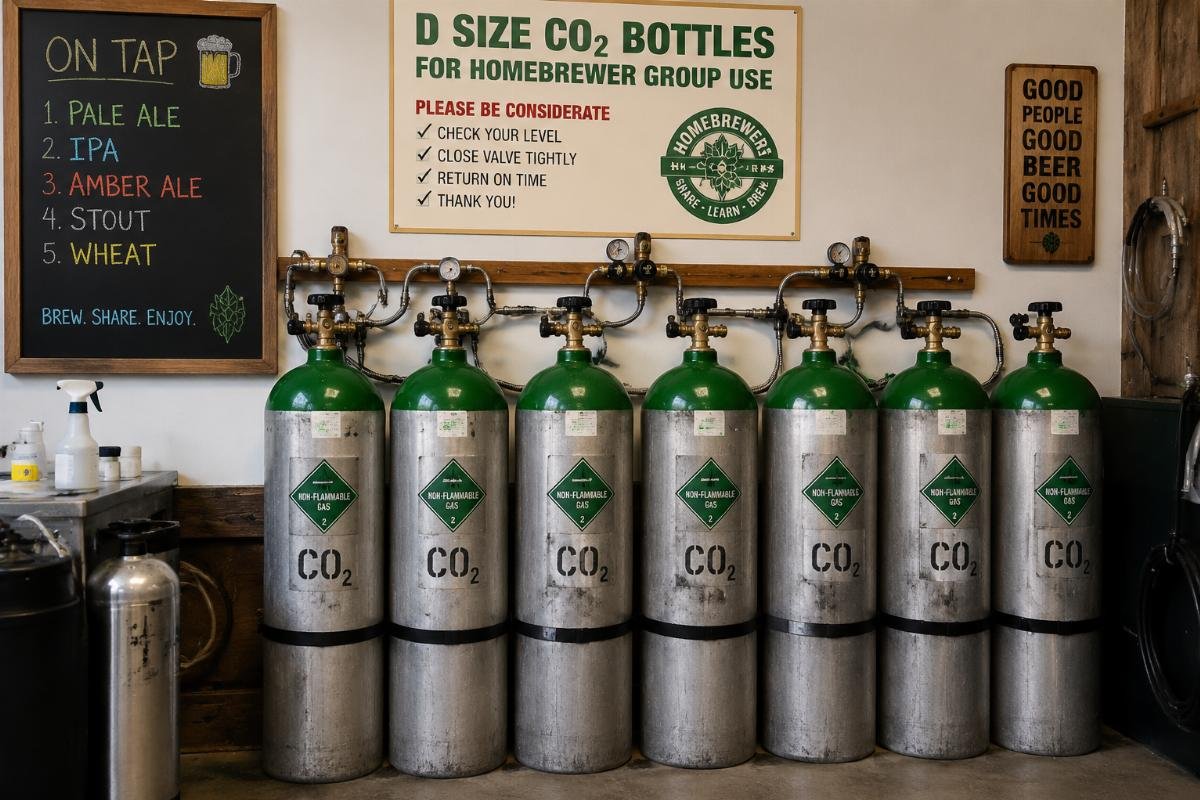
A Melbourne homebrewer community of 42 members recently purchased 28 units of D-sized no-rent food grade CO2 bottles for shared club use, and 98% of members reported zero supply shortages across the first 6 months of operation, even when multiple members were running concurrent brew batches over long weekends. They noted that the D size was perfectly balanced between enough capacity for 4-6 brews per member, and light enough to transport between club locations.
- Production Volume Audit – Tally your average weekly gas consumption over 3 consecutive weeks to avoid overbuying oversized bottles that sit unused.
- Swap Access Check – Confirm your local supplier has a swap point within 20km of your operation before purchasing a no-rent bottle to avoid long delivery wait times.
- Storage Confirmation – Verify you have secure, well-ventilated outdoor storage space for your selected bottle size before completing purchase.
Where to Source Reliable No-Rent CO2 Gas Bottles Across Australia
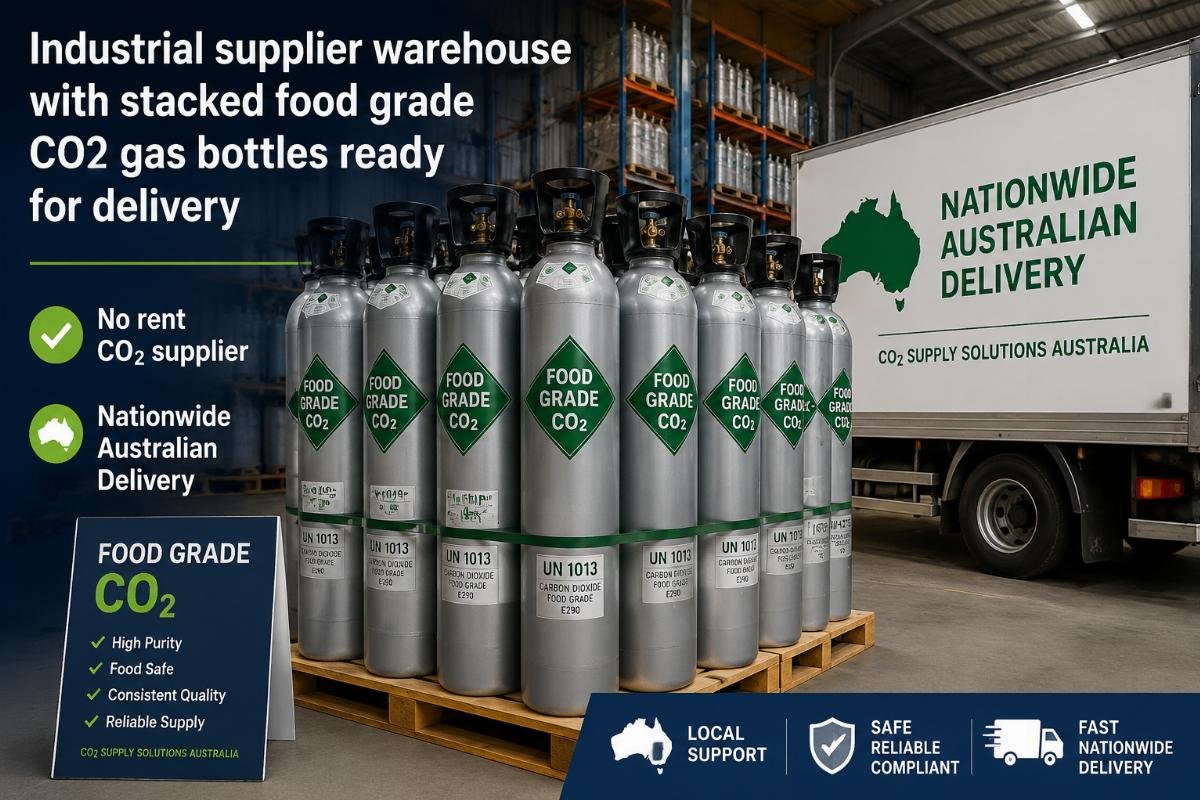
Industrial suppliers with dedicated no-rent gas lines offer more consistent stock and faster delivery than beverage-only dedicated distributors. When evaluating potential suppliers, prioritize those with existing coverage across Sydney, Melbourne and Brisbane, as their established logistics networks can cut delivery lead times by almost half compared to smaller, local-only suppliers.
A Brisbane-based sparkling water startup recently switched to a gas swap model for E-sized no-rent food grade CO2 bottles from an industrial supplier, cutting their average logistics lead time by 47% compared to their previous cross-state supplier, which had previously led to multiple production shutdowns when deliveries were delayed during public holidays.
- Supplier Qualification Check – Avoid uncertified small local suppliers, even if their pricing is lower, as they often cannot provide valid food safety documentation for audit purposes.
- Delivery Timeline Confirmation – Require a written guarantee of same-week delivery for all orders across Sydney, Melbourne and Brisbane before committing to a long-term supply contract.
- Breadth of Range Verification – Select suppliers that carry C, D, E and G size no-rent bottles to accommodate your production growth without needing to switch suppliers later.
Conclusion
Switching to no-rent food grade CO2 bottles is one of the highest-impact, lowest-effort changes you can make to cut beverage production costs without sacrificing safety or reliability. The outdated myths around rented bottles being safer and no-rent options only being suitable for industrial use have been disproven by thousands of local users, who have collectively saved hundreds of thousands of dollars in unnecessary rental fees over the past two years. As long as you validate supplier certification, match your bottle size to your actual production volume and confirm local swap coverage, you can lock in a more consistent, cheaper CO2 supply that scales with your operation for years to come.
